公開Published
そのまんまで
来てくれたら、大丈夫。
KIBOUは、就職活動をする学生が、誰かの家に2泊3日泊まらせてもらう仕組みです。宿泊費はかかりません。まず気になるのは「どんな人の家なのか」だと思います。知らない人の家は、怖い。でも泊まる前にその人を知れたら、もう知らない家ではありません。だから、ホストに話を聞きに行くことにしました。KIBOU lets a student who is job hunting stay two nights in someone's home, at no cost for the room. The first thing anyone wants to know is whose home it is. A stranger's house is frightening. But if you know the person before you go, it stops being a stranger's house. So we went to talk to the hosts.
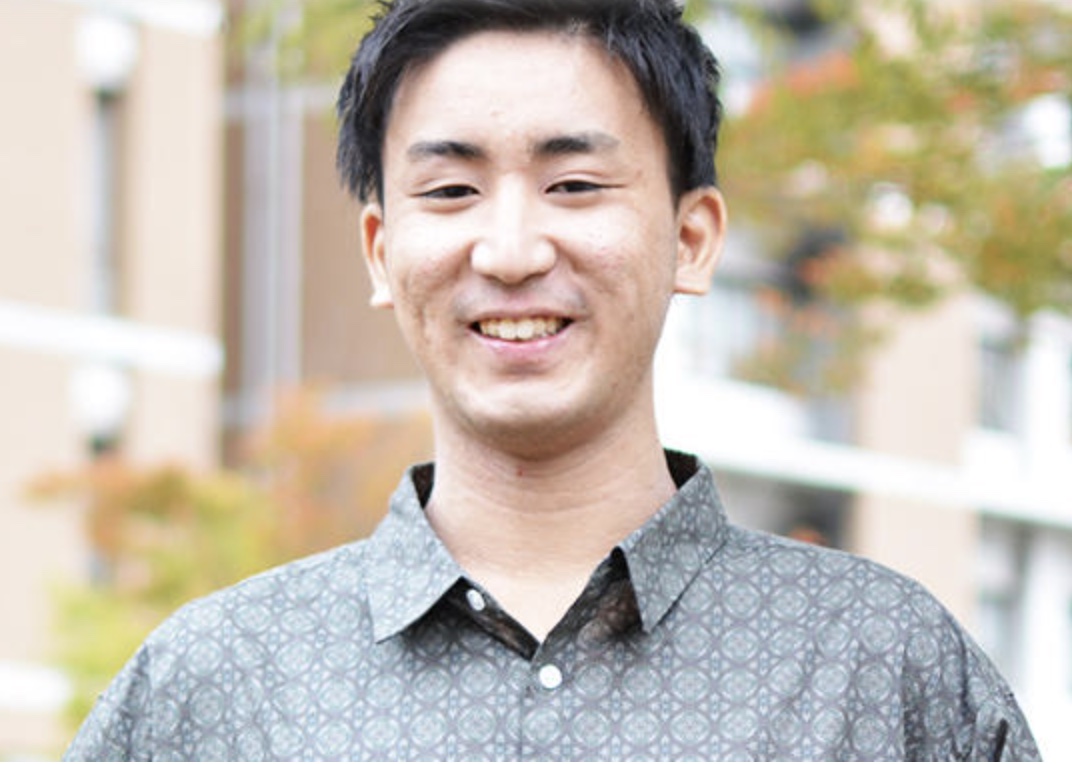
1人目は、中部地方で最初のホストになる薗部健太さん。元リクルートで、いまも人材の領域で働いています。学生時代は「サークルを紹介するサークル」を作り、お金がなくてヒッチハイクで移動し、人の家に泊めてもらいながら過ごしていた人です。The first is Kenta Sonobe, who will be the first host in the Chubu region. Formerly of Recruit, he still works in the hiring field. As a student he built a club that introduced other clubs, travelled by hitchhiking because he had no money, and got by staying in other people's homes.
新しい家に移ったばかりで、まだ誰も泊めたことがありません。それでも、迎える側にまわると決めています。聞き手は、KIBOU創業者の荒木孝文です。He has just moved into a new place and has never hosted anyone there. He has decided to be the one who welcomes people anyway. The interviewer is KIBOU's founder, Takafumi Araki.
サークルを紹介するサークルを、作っていた
なぜそんなに、人を受け入れる姿勢があるのか。そう尋ねたときに返ってきたのは、学生時代の話でした。Why is he so ready to take people in? Asked that, he answered with a story from his student years.
サークルを紹介するサークルみたいなのを作っていました。「人との出会いで人生が変わる」というコンセプトで、人材紹介のサークル版みたいなことをやっていて。お金がなかったので、ヒッチハイクで移動したりしていました。I made something like a club that introduced other clubs. The concept was that meeting people changes your life — a student version of a recruiting agency, really. I had no money, so I got around by hitchhiking.
団体の名前は「学生団体コネクト」。いまはもうありません。学生向けインターンの運営もしていたそうです。そこまで動けた理由を聞くと、答えは短いものでした。The group was called Gakusei Dantai Connect. It no longer exists. He also ran internships for students. Asked what drove all that, his answer was short.
学生時代にいろんな人に助けてもらったので、返したいなというのはずっとあります。いま自分があるのは、人との出会いや繋がりから来ているものなので。A lot of people helped me back then, so wanting to give that back has never gone away. Whatever I have now came out of the people I met and the ties I made.
1日のプログラムより、泊まった夜のほうが人生を変えた
きっかけは、学生時代に参加したひとつのイベントでした。It started with an event he attended as a student.
学生団体を作るきっかけも、その前に「みんなの夢AWARD」というイベントに参加して、そこの紹介でシェアハウスに泊まったことでした。泊まったときに、いろんな人たちがいるんだと知れて。それまで1つのコミュニティにしか所属していなかったんですが、そのシェアハウスに行って、いろんな人がいるんだなと。アドバイスをもらったこともあって、それが結構、自分の中で響いていました。What led me to start the group was going to an event called Minna no Yume Award, and through someone there, staying at a share house. Staying there, I learned how many different people exist. Until then I had belonged to exactly one community. I went to that share house and found all these different people. Some of them gave me advice, and that really landed with me.
イベントそのものより、そのあと泊まった家のほうが効いた。この順番が、そこから何度もシェアハウスに泊まる習慣につながります。そして、ひとつの確信が残りました。The house afterwards did more than the event itself. That order became a habit of staying in share houses again and again — and left him with one conviction.
結局、1日のプログラムの中で何かするより、シェアハウスの中で過ごした時間のほうが、意外と人の人生って変わるなという価値観を持っていて。自分もいろいろシェアハウスに泊まっていたので、やっぱりここは揺るがないな、と。家っていうのが、すごく大事だなというのが、根底にあるのかもしれません。In the end I came to believe that the hours spent inside a share house change a person more than anything done inside a one-day program. I stayed in a lot of them myself, and that part has never wavered for me. Maybe underneath everything is the sense that the house itself matters enormously.
KIBOUがやろうとしていることを、先に言葉にされてしまった気がしました。滞在を2泊3日にしているのも、同じ理由です。1時間の面接でも、1日のイベントでもなく、その家で過ごした時間が人を変える。It felt as though he had put our own idea into words before we could. Two nights and three days exist for the same reason. Not an hour-long interview, not a one-day event — the time spent in the house is what changes people.
ヒッチハイクという「異常行動」を、受け入れてもらえた
社会に出てから、肩書き抜きで人と繋がることは減りましたか。そう聞くと、薗部さんは少し考えてから答えました。Has connecting with people without a job title become rarer since entering the working world? He thought for a moment before answering.
減りましたね、だいぶ。友達ぐらいですかね、そういう話をするのは。ヒッチハイクでその時に乗せてもらっただけで、その人と話して、繋がって、すごい愛を感じる。そういう出会いの数は、もうないので。Much rarer, yes. Friends, about that far. Back then, someone would pick me up hitchhiking, we would talk, we would connect, and I would feel an enormous amount of love. That number of encounters just isn't there any more.
見ず知らずの車に乗せてもらう。それだけのことが、なぜそこまで残るのか。うまく言葉にならない、と何度か言い直しながら、こう続きました。A stranger stops and gives you a ride. Why should that stay with someone so long? Saying more than once that he could not find the words, he went on.
ヒッチハイクしているって、ある意味、異常行動じゃないですか。でもそれを受け入れてもらえた、というか。ありのままを受け入れてもらっているから、それ以上、別に何を話しても大丈夫だなと思える。Hitchhiking is, in a way, odd behavior. And yet it was accepted. Because I was taken as I was, I could feel that whatever else I said would be fine too.
どんだけ自分が変であっても、乗せてもらえる。肯定されているという感覚の中で、自分の中の自己肯定感も上がる。そういう感覚はあったのかもしれません。However strange I was, someone would still stop for me. Inside that feeling of being affirmed, my own sense of worth rose. I think that may be what was happening.
そのまんまで、生きていていい。You are allowed to exist exactly as you are.
何かができるからでも、何かを持っているからでもなく、いるだけで受け入れられる。人の家に泊まるという体験の芯にあるのは、たぶんこれです。Not because you can do something, not because you have something — accepted simply for being there. That is probably what sits at the center of staying in someone's home.
表に出ない人たちが、変わっていくのを見た
ここで薗部さんは、自分の話をやめました。かわりに始まったのが、まわりの人に起きたことの話です。Here he stopped talking about himself. What began instead was an account of what happened to the people around him.
そのパワーが出たときに、人の可能性みたいなのが爆発すると思っていて。When that power comes out, I think a person's potential explodes.
当時の学生団体のメンバーも、それぞれに事情を抱えた人たちでした。あんまり表には出ないけれど、裏でサポートしてくれていたのが、全員そういう人たちで。その人たちからめちゃくちゃもらったし、その人たちがありのままになったことで、めちゃくちゃ変わっていくのを見てきたので。だからずっと、そういうのがいいなと思っているのかもしれません。The members of that student group each carried something of their own. They didn't come out front much, but the ones supporting everything from behind were all people like that. I received an enormous amount from them, and I watched them change enormously once they could be themselves. Maybe that is why I have kept believing in it ever since.
どういうサポートをしてもらっていたんですか。そう聞くと、答えは少しずれました。What kind of support did they give you? The answer came back slightly off the question.
サポートをしてもらった、というのは特にないんです。ただ、お互いに、ありのままでいられる、どんなんでもいいよ、みたいな。本当に、良し悪しなんてない、みたいな感じじゃないかな。There wasn't really support as such. It was more that we could all be as we were with each other — whatever you are is fine. Honestly, I think it was closer to there being no good or bad at all.
助け合っていたわけではない。良し悪しを持ち込まなかっただけ。それだけで人が変わっていくところを、この人は実際に見ています。They were not helping each other. They simply never brought good and bad into the room. He has watched, first hand, people change on that alone.
その価値観は、社会人になっても効いた
学生時代のいい思い出、で終わる話かと思っていました。違いました。薗部さんはそのあと人材業界に進み、リクルートで働いていました。We assumed this would end as a fond student memory. It did not. He went into the hiring industry afterwards and worked at Recruit.
リクルートって結構、激しく詰められたりするんですが、それで辞めたいという人たちを、自分がリーダーをやっていたときは「全員メンバーにしてほしい」と言って、メンバーになってもらって。Recruit can push people very hard. When I was leading a team, I asked for every one of the people who wanted to quit because of that to be put on my team, and they were.
その人たちとずっと話していたら、別に仕事に関係なく、無限に働いてくれるようになって。最終的に、いちばん成果が上がったりもして。I kept talking with them, and they started working endlessly, quite apart from the job itself. In the end that team produced the best results.
それって本人たちが、仕事だからじゃなくて、楽しくてやっているからなんですよね。その感じって、学生時代の「ありのまま」と全く同じだなという気がしていて。だから、そういうのが多分めっちゃ大事なんだろうなと思っています。That was because they were doing it for enjoyment, not because it was work. That feeling seems to me exactly the same as the being-yourself of my student years. So I think it probably matters a great deal.
辞めたくなっていた人たちが、いちばん成果を出した。学生時代の話が、会社の中で、しかも数字が出る場所で、そのまま再現されています。The people who had wanted to leave produced the most. The student-years story repeated itself inside a company — in the part of a company where numbers are counted.
これは、これから就職活動をする人にいちばん関係のある話かもしれません。ありのままでいられる場所は、学生のうちだけの避難所ではない。仕事の現場でも、ちゃんと効く。This may be the part that matters most to anyone about to job hunt. A place where you can be yourself is not a shelter that expires with graduation. It works on the job, too.
だから、そのまんまで来てくれたら大丈夫
どんな学生に来てほしいですか。そう聞きました。What kind of student would you like to come? We asked.
もう、そのまんまで。別にどんなんでもいらないし、関係ないですね。Just as they are. Nothing else is needed, and nothing else matters.
相手がどうであるかは問わない、と言い切ります。だからこそ、KIBOU側からお伝えしておきたいことがあります。安全を、ホストの目利きに背負わせません。本人確認とクレジットカードによる審査は、プラットフォーム側で行います。やりとりも、外部のSNSではなくKIBOUの中で完結するようにしています。ホストは無条件に迎えてくださって構いません。守るのは、仕組みの側の仕事です。He does not ask who the other person is. Which is exactly why there is something we should say from KIBOU's side. We do not put safety on the host's judgment of character. Identity verification and a credit-card check are handled by the platform. Messages stay inside KIBOU rather than on outside social media. A host is free to welcome people unconditionally. Protecting them is the system's job.
荒木も、同じことを別の入口から考えていました。学校でいじめられていても、数学ができなくても、ゲームの中では関係ない。一緒に時間を過ごせるかどうかだけが問われる。KIBOUが滞在の前にゲームを置いているのは、その順番をもう一度つくりたいからです。肩書きを外してから、会う。Araki had reached the same place through another door. Bullied at school, bad at maths — inside a game, none of it counts. The only question is whether you can spend time together. KIBOU puts a game before the stay because we want that order back. Take the label off first, then meet.
薗部さんの言い方だと、こうなります。In his words:
社会人になっても生きますよ、そういうのは。That kind of thing still works once you are out in the working world.
これから来る学生へ
最後に、これから泊まりに来る学生へのメッセージをお願いしました。Finally, we asked for a message to the students who will come to stay.
ありのままでいてほしいな、というのはありますね。環境とか、いろんなものがあるけど、そういうものに諦めてほしくない。自分のやりたいようにしてほしいな、と思います。I want them to be as they are. There is your situation, and plenty of other things, but I don't want anyone giving up because of them. I want people to do it the way they want to.
編集後記
読んでいて、はっきり手触りの変わる場所がありました。薗部さんが自分の話をやめて、他人の話を始めたところです。この記事でいちばん長く引用したのが、そこです。There is one place where the texture of the conversation visibly changes: where he stops talking about himself and starts talking about other people. That is the passage we quoted at greatest length.
対話の終わりに、荒木がこう言っています。At the end of the conversation, Araki said this.
薗部くんの話を聞いて、僕もいろんなホストに泊まりに行きたくなった。これを読んだ学生さんたちが励まされたら、それで十分やな。Listening to him, I wanted to go and stay with hosts all over the country myself. If the students who read this take some heart from it, that is enough.
薗部さんの家は、中部地方で最初のKIBOUの家になります。まだ誰も泊まったことがありません。最初のひとりは、あなたかもしれません。His home will be the first KIBOU house in the Chubu region. No one has stayed there yet. The first person could be you.
この記事は、約1時間の対話の記録をもとに、KIBOUの編集AIが構成しました。荒木孝文が監修し、掲載については薗部健太さんご本人の許可をいただいています。引用は、話し言葉を読みやすく整えています。This article was composed by KIBOU's editorial AI from the record of an hour-long conversation, and supervised by Takafumi Araki. Kenta Sonobe gave his permission for it to be published. The quotations have been tidied from spoken Japanese for readability.